


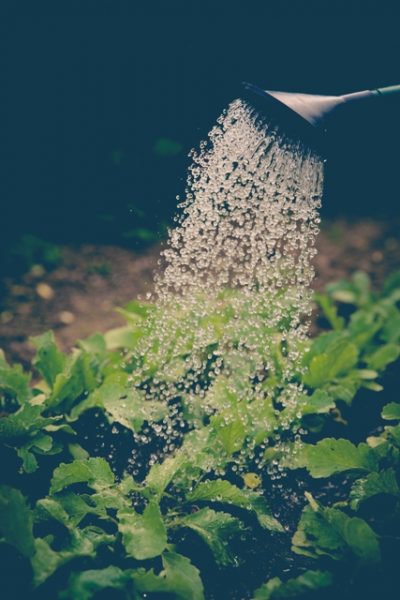
Both overwatering and under watering can quickly kill plants. The trouble is determining which factor is actually the culprit.
Every gardener makes mistakes. It’s part of how you learn what works and what doesn’t, especially in a climate like Northland’s where the rules can be a bit different to what you’ll find in a general gardening book. The wet winters, clay soils, warm summers, and subtropical growing conditions mean some standard gardening advice simply doesn’t apply here.
Whether you’re just getting started or you’ve had a garden for years, avoiding these common pitfalls will save you time, money, and a lot of frustration.
1. Not Researching What Will Actually Grow in Your Area
One of the most common reasons plants fail is simply that they weren’t suited to the conditions they were planted in. Northland has a mild, humid climate that’s fantastic for a wide range of plants, including many subtropical species that struggle further south. But it also has limitations. English lavender tends to rot in our wet winters. Many deciduous plants that need a proper cold chill to trigger flowering will underperform up here, where winters are mild enough that the signal never quite arrives.
Before buying, take five minutes to check whether a plant is suited to your region. Look at its requirements for soil drainage, frost tolerance, and humidity, and when in doubt, lean towards NZ natives or proven subtropical performers like hebes, coprosmas, and gingers. These will generally thrive in Northland without much coaxing. A conversation with a knowledgeable staff member at a local nursery is often the quickest shortcut, as they’ll know firsthand what performs well in local conditions and what consistently disappoints.
One thing many gardeners overlook is that some popular ornamental plants are classed as invasive weeds in New Zealand. Agapanthus is a good example. It’s widely grown in gardens throughout the country, but it’s become a serious problem on roadsides and in natural areas and is on the Northland Regional Council’s pest plant list. Checking before you plant is a much easier exercise than dealing with a garden full of something you then can’t legally propagate or sell.
2. Putting Plants in the Wrong Spot
Placement errors are incredibly common, and they often don’t show up as a problem until months after planting. Crowding is one of the most frequent. It’s tempting to pack plants in tightly for an immediate full look, but plants crammed together compete for water, nutrients, and light, and in Northland’s humidity, poor airflow between them encourages fungal disease that can spread quickly through a bed. Give plants room to breathe from the start, even if the garden looks sparse in the first season.
Getting sun and shade wrong is another classic. A plant that needs full sun won’t perform under the canopy of a large tree, and a shade-loving fern placed in an exposed, north-facing spot will slowly cook through summer. Spending a day or two observing how the sun moves across your garden before planting can save a lot of future effort.
Ignoring mature size is a mistake that catches a lot of people out. A small tree at the garden centre can become a genuinely large one within a few years in Northland’s warm, wet growing conditions. Always check the mature height and spread before planting, and keep trees well clear of foundations, drains, and power lines. If you find yourself with plants that have outgrown their spot or are crowding each other out, the sooner you act the better. Most plants can be successfully relocated if you catch the problem early enough.
3. Watering Incorrectly
Both overwatering and underwatering cause plant stress, and the symptoms can look surprisingly similar: wilting, yellowing leaves, and poor growth. In Northland, overwatering is the more common mistake, particularly during the winter months when the ground stays saturated for long stretches and rainfall does most of the work for you. Getting into a watering routine without adjusting for the season is an easy way to push plants into trouble.
Before reaching for the hose, push your finger a few centimetres into the soil. If it’s still moist, hold off. Most plants do better with a deep, thorough drink less frequently than a light sprinkle every day, as deep watering encourages roots to grow downward where moisture is more consistent. When you do water, aim at the base of the plant rather than over the top. Wetting the foliage in humid Northland conditions is an open invitation for fungal diseases like powdery mildew, which spreads quickly once it takes hold.
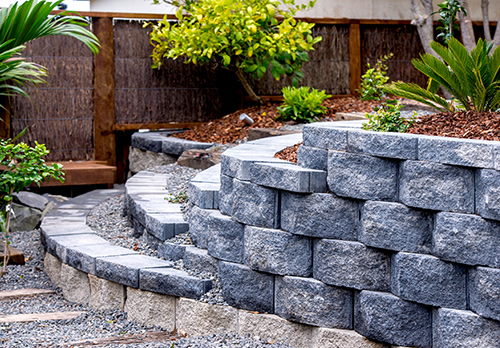
If drainage is your underlying problem, watering habits alone won’t fix it. Heavy clay soils are common throughout the Whangarei district, and they can hold water around roots long enough to cause rot. Amending the soil with grit and compost, building raised beds, or choosing plants that naturally tolerate wet feet are all more effective long-term solutions than trying to compensate with careful watering alone.
4. Ignoring Soil Quality
Soil quality varies considerably across Northland. Some properties have good loamy soil that drains well and is easy to work with, but large parts of the region sit on dense clay subsoil that compacts easily, drains poorly, and becomes waterlogged in a wet winter. Starting with poor soil and expecting plants to perform well is optimistic at best. Investing time in soil preparation before you plant is almost always more effective than trying to rescue struggling plants afterwards.
For in-ground gardens, digging in compost before planting improves both drainage and nutrient content, and it encourages the earthworm activity that keeps soil healthy over time. If you’re dealing with serious clay, raised beds or mounded planting give you control over the soil your plants are actually growing in, which makes a significant difference. For container growing, resist the temptation to buy the cheapest potting mix available. Poor quality mixes either drain so fast that water runs straight through without being absorbed, or they hold moisture so persistently that roots sit in wet conditions long enough to rot. A good quality mix costs a little more and is consistently worth it.
5. Forgetting to Feed
Plants are surprisingly good at looking fine until they’re not. In containers especially, the nutrients in potting mix get used up or washed out over time, and plants that aren’t being fed will gradually lose their vigour, produce fewer flowers, and become more susceptible to pests and disease. Yellowing leaves and slow growth are often hunger rather than illness, and it’s worth ruling out a nutrient deficiency before reaching for a spray.
A regular fertilising routine doesn’t need to be complicated or time-consuming. A slow-release granular fertiliser worked into the soil in spring, and again after the main summer flush, covers most plants well. For containers, vegetables, and anything that flowers heavily, a liquid fertiliser applied every few weeks during the growing season keeps things performing consistently. If you’re not sure what your soil is lacking, a basic soil test will tell you, and it takes the guesswork out of which amendments are actually needed.
6. Letting Weeds Get Away on You
Northland’s warm, wet conditions are as good for weeds as they are for everything else you’re trying to grow. A single season of inattention can see a well-maintained garden overrun, and some of the worst offenders in our region are extremely persistent once they’re established. Wild ginger, woolly nightshade, moth plant, climbing asparagus, and wandering willy are all common in Northland and all capable of engulfing established plantings if left unchecked.
Getting on top of weeds while they’re young, and before they set seed, is far easier than dealing with mature plants. Hand-pulling after rain, when the soil is soft, is the most effective technique for most species. For larger infestations, a targeted herbicide applied on a warm, still day to actively growing weeds will do more work than spraying on a cold or windy day when uptake is poor. Once the weeds are cleared, mulching heavily around established plants is one of the most practical preventative measures available. A good layer of bark mulch suppresses germination, retains soil moisture, and significantly reduces the time you spend weeding going forward.
7. Taking on Too Much at Once
A burst of enthusiasm at the start of the season can lead to more plants than you can realistically keep up with, or a garden renovation that turns out to be considerably bigger than it looked on paper. When the workload outpaces what you can manage, maintenance slips, plants get neglected, and what started as a rewarding project starts feeling like a burden. It happens to experienced gardeners as readily as beginners.
Starting with a smaller, well-defined area and doing it properly is almost always a better approach than spreading effort thinly across a large space. Get one section established and thriving before moving on to the next. The satisfaction of a genuinely well-kept patch of garden is a much better motivator than a sprawling work-in-progress that never quite gets there.
If your garden has grown beyond what you can manage on your own, or you’re starting from scratch and want the groundwork done right, the team at PlantPro & Sons can help.