


 Autumn is the most productive season in a Northland garden. The heat has backed off, the soil is still warm, and there is usually enough moisture coming through to make planting and soil improvement genuinely worthwhile. If you get a handful of key tasks done between March and May, your garden will be in a much stronger position when the cooler months arrive, and come spring you will notice the difference.
Northland’s mild winters mean the rules are a little different here than they are elsewhere in New Zealand. The growing season is longer, the frost risk is lower, and there is more flexibility around timing than most gardening guides allow for. What works in Canterbury or Wellington does not always apply up here, so it pays to approach autumn preparation with that in mind.
Tidying Up Without Going Overboard
Northland’s mild winters mean some plants keep growing well into the cooler months, so it pays to be selective about what you pull out and what you leave. Spent summer annuals, finished vegetable crops, and anything showing signs of disease or pest damage should come out. Dead material left sitting in beds over winter creates ideal conditions for fungal problems, particularly in Northland’s humid climate where things do not dry out the way they do further south.
Weeds are worth tackling now, before they set seed. A lot of common Northland weeds will keep growing through winter in sheltered spots, and any that do set seed will be back with a vengeance come September. Getting on top of them in autumn, when the soil is easy to work and the weeds are still actively growing and pulling out cleanly, is considerably easier than dealing with an established population in spring. If the weeds are clean and have not seeded, they can go straight into the compost. Anything that has seeded or looks diseased is better binned or burned.
Fallen leaves are worth keeping rather than discarding. Thick mats on lawns can cause problems, but raked leaves piled into a corner or added in layers to the compost break down into excellent organic matter. In a humid environment like Northland, leaf mould forms reasonably quickly and makes a great soil conditioner. If you have garden beds that need insulating through winter, shredded leaves used as mulch do a solid job and cost nothing.
Getting the Soil Right Before Winter Sets In
Autumn is one of the best times to invest in your soil because you have a whole season ahead for amendments to do their work before spring planting. Adding compost or well-rotted manure to garden beds now gives organic matter time to break down and integrate into the soil structure. For the sandy soils common in parts of Northland, this improves moisture retention noticeably. For the heavier clay soils found in other areas, organic matter helps with drainage and prevents soil compacting into a dense, root-resistant layer over winter.
If you have had a heavy cropping year in your vegetable beds, those soils will be depleted. Digging in compost and topping with a layer of mulch sets them up for the next growing season. Green manure crops are worth considering for any beds that will sit empty over winter. Mustard, phacelia, or a simple oat crop can be sown now, grown through the cooler months, then dug in before spring planting. They suppress weeds, protect the soil surface from rain impact, and add organic matter when turned in. For a kitchen garden that sees heavy use, it is one of the better long-term investments you can make.
Drainage is worth checking while you have the chance. Spots that sat waterlogged last winter will likely do the same again unless something changes. Raising bed levels, working in gypsum for clay-heavy areas, or improving subsurface drainage before the wet season arrives is much easier than dealing with waterlogged, oxygen-starved soil in July. Roots sitting in water for extended periods do not recover well, and some plants will not tolerate it at all.
pH testing is also worth doing in autumn if you have not done it recently. Autumn application of lime gives it time to work through the soil before spring planting, and most vegetable crops prefer a pH of around 6.5. Acidic soils are common in parts of Northland, particularly in areas with high rainfall, and correcting the pH makes a meaningful difference to how well crops establish and perform.
Mulching: What Works in Northland Conditions
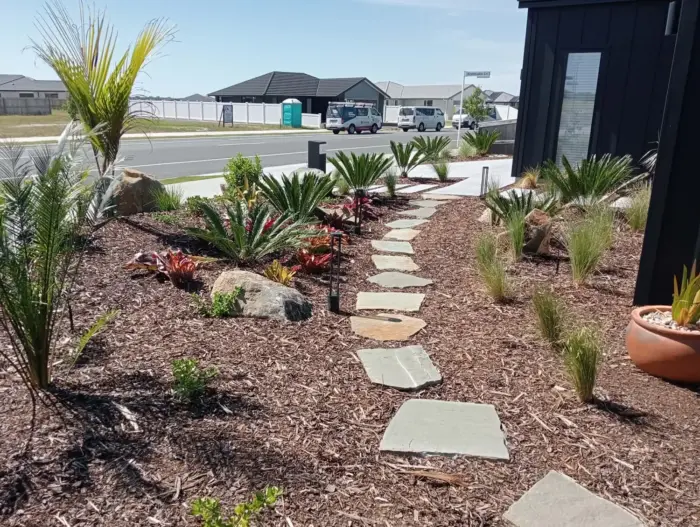
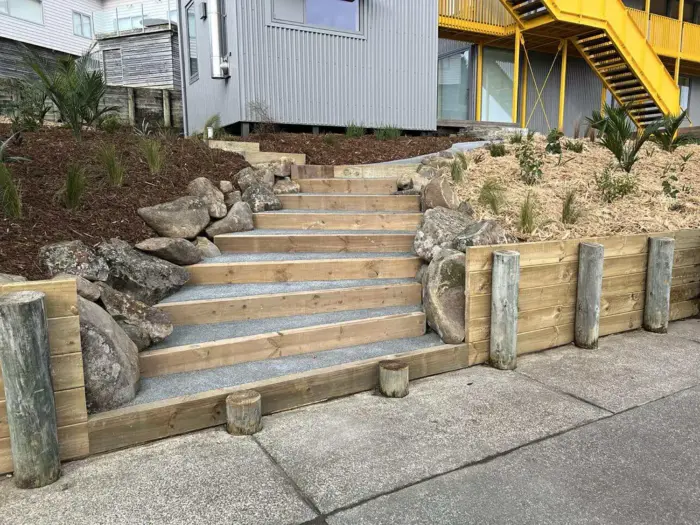 Mulching in autumn serves a different purpose than summer mulching. In summer it is primarily about moisture retention and keeping roots cool. In autumn and winter, it is more about protecting soil structure, suppressing winter weeds, and insulating roots from the occasional cold snap. Northland rarely gets hard frosts, but a light frost in an exposed spot can still damage tender root systems in unprotected soil. A 5 to 7 centimetre layer of organic mulch around established plants takes that risk largely off the table.
Wood chip and bark mulch both work well here and are generally easy to source locally, often from arborists or tree contractors at low cost. Post-peelings are worth considering on banks or sloped areas where lighter mulches tend to shift or wash away in heavy rain. They knit together and stay put in a way that bark sometimes does not.
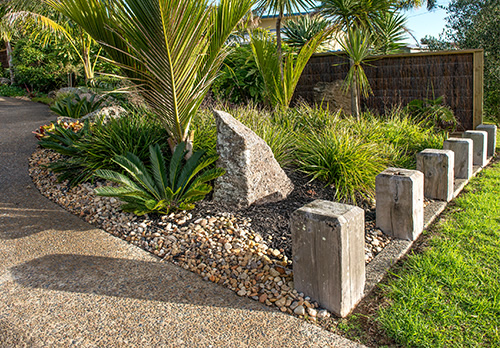
Whatever you use, keep it clear of plant stems and tree trunks. In Northland’s humid winters, moisture sitting against stems creates ideal conditions for collar rot, which can kill established plants surprisingly quickly. This is an easy mistake to make when mulching generously, so it is worth pulling material back a few centimetres from the base of anything woody. Pebble or aggregate mulch suits certain garden styles and low-maintenance areas well. It does not feed the soil the way organic mulch does, but it is permanent, tidy, and does a reliable job of suppressing weeds and reducing evaporation. Once it is down, changing your planting scheme becomes more work, so it is best used in areas where the layout is unlikely to change.
Pruning: What to Cut and What to Leave Alone
Deciduous trees and shrubs can be pruned once they drop their leaves, which in Northland often means later in autumn or even into June. Pruning while dormant reduces stress on the plant and limits entry points for disease. This is the time to remove dead, crossing, or badly positioned branches rather than doing hard structural work unless you know the plant handles it well. Stone fruit trees, roses, and ornamental deciduous shrubs all respond well to a tidy-up during this dormant window.
Perennials are more situational. Some can be cut back to the ground once they have died off, which keeps beds tidy and removes potential disease habitat. Others are better left with some top growth intact, either because the seed heads provide value for birds or because the foliage offers some frost protection for the crown. Native perennials and grasses are generally better left until late winter or early spring before cutting back.
Frost-sensitive plants should be left well alone in terms of hard pruning until cold weather risk has passed. Cutting back a frost-tender shrub in autumn and then having an unexpected cold snap hit the new growth is a common mistake. If anything, add extra mulch around the base of tender plants rather than pruning them back heading into winter.
Pest and Disease Management in Autumn
Autumn is a good time to get on top of pest and disease issues before they carry over into next season. Many fungal diseases overwinter in fallen leaves, dead plant material, and soil debris, so a thorough clean-up significantly reduces the disease pressure available to cause problems in spring.
Slugs and snails tend to increase in activity as the weather cools and moisture levels rise. Check under pots, boards, and dense groundcover plants and deal with populations before they establish over winter. Iron-based slug bait is effective and safer around pets and wildlife than older metaldehyde products, and applying it in autumn when populations are high makes a real difference to spring damage levels.
Scale insects on fruit trees and ornamentals can be treated in late autumn or early winter with a winter oil spray. This smothers overwintering eggs and adults and is one of the more effective controls available for scale, particularly on citrus. Check trees carefully before spraying and again after to assess whether a follow-up application is needed.
Borer damage in fruit and ornamental trees becomes more visible in autumn as leaves drop. Frass at entry holes and small round exit holes in bark are the signs to look for. Minor infestations can sometimes be treated by injecting an appropriate product into entry holes, but heavily affected wood is usually better removed and destroyed. Getting on top of borer in autumn reduces the population going into spring.
What to Plant in Autumn in Northland
Autumn planting is one of the genuine advantages of gardening in Northland. Because winters here are mild compared to most of the country, there is a much wider range of things you can get in the ground now.
Brassicas do well planted in autumn: broccoli, cauliflower, cabbage, and kale can all go in from seedling or seed and will crop through winter and into spring. Leafy greens like silverbeet and spinach handle the cooler months easily in Northland. Root crops including beetroot, carrots, and onions can go in now, as can garlic, which benefits from cooler soil temperatures to get established before spring.
Peas are worth mentioning separately because they are one of the better autumn crops in this region. They prefer cooler growing conditions, and in Northland they can be sown from March onwards with good results. Get them in before June for the best establishment, and they will be producing through winter and into early spring. Broad beans are similarly excellent and often overlooked for autumn planting in Northland gardens.
Autumn is the right time to get spring-flowering bulbs in the ground. Daffodils, tulips, hyacinths, and crocuses need a period of cold to trigger flowering, so planting in autumn gives them that chilling time over winter. Choose a well-drained spot and plant at roughly twice the depth of the bulb. In heavier soils, raising the bed slightly or adding some grit under the bulbs helps prevent rotting from winter moisture.
For trees and shrubs, autumn is genuinely one of the best planting times. The soil is still warm enough to encourage root establishment, but the cooler air temperature means less stress on the plant than summer planting. Deciduous fruit trees, hardy shrubs, and native species all establish well planted in autumn in Northland. The winter rains do much of the watering work for you, and by the time spring arrives, the root system is already settling in.
Lawn Care Before Winter
Northland lawns do not fully go dormant in winter the way they do in cooler parts of New Zealand, but growth slows and the grass is under less stress than during the summer heat. Autumn is a good time to aerate if the lawn has been heavily used over summer and the soil has compacted. Aerating improves drainage and allows air, water, and nutrients to reach the root zone more effectively.
A slow-release, potassium-rich autumn fertiliser helps strengthen root systems before the slower winter growth period. Avoid high-nitrogen products at this time of year. They encourage soft, leafy growth that is more susceptible to any frost that does come through, and it is wasted effort when the lawn is not actively trying to grow.
If you have bare or thin patches, overseed them in early autumn while soil temperatures are still warm enough for germination. Seed established in autumn tends to be more resilient the following summer than seed put in during spring. Adjust your mowing height gradually as the season cools and growth slows. Cutting lawn too short heading into winter weakens the root system and leaves the lawn more vulnerable. Keeping it slightly longer going into the cooler months provides some insulation at the root level and means the lawn bounces back faster when spring growth kicks in. Keep the mower blades sharp as well. A clean cut reduces stress on the grass compared to a tearing cut from a dull blade, which leaves tips prone to browning and fungal disease.
Getting Your Garden Tools Ready for Winter
 Autumn is a sensible time to service your tools and equipment before the wet season arrives and before the busy spring period. Clean soil off spades, forks, and trowels and check handles for cracks or looseness. A rub-down with linseed oil on wooden handles extends their life considerably. Metal blades benefit from a light coating of oil to prevent rust sitting over winter.
Secateurs and loppers should be cleaned, sharpened, and lightly oiled before putting away or storing for the winter. Blunt cutting tools cause unnecessary damage to plants and make pruning harder work than it needs to be. If you use a ride-on mower, autumn is a good time to check and replace blades, clean the deck, and check the battery if it will be sitting unused for a period.
Check hoses and irrigation fittings for cracks before the winter, particularly any fittings that may have dried out over summer. Replacing a cracked fitting in autumn is considerably easier than discovering the problem on a wet July morning when you need to water something. If you have a drip irrigation system, flush it through and check emitters are clear before reducing watering frequency for the cooler months.
Frequently Asked Questions About Autumn Garden Preparation in Northland
When should I start autumn garden preparation in Northland?
In Northland, the autumn preparation window runs from around March through to May. Starting in March gives you the best combination of warm soil, manageable weeds, and enough growing season left to establish autumn crops and plantings before winter proper sets in.
What vegetables can I plant in autumn in Northland?
Northland’s mild winters allow for a broad range of autumn planting. Brassicas including broccoli, cauliflower, cabbage, and kale all do well, as do leafy greens like silverbeet and spinach. Root vegetables including beetroot, carrots, and onions can go in now, along with garlic, peas, and broad beans.
Do I need to mulch my garden in autumn in Northland?
Yes, autumn mulching is worthwhile in Northland. While hard frosts are uncommon, a layer of organic mulch protects soil structure, suppresses winter weeds, and insulates root systems from cold snaps. Aim for a 5 to 7 centimetre layer around established plants, kept clear of stems and trunks.
Is it too late to prune in autumn in Northland?
Autumn is actually the right time to begin pruning deciduous trees and shrubs, once they start dropping their leaves. In Northland this is often later in the season, sometimes not until May or June. Avoid hard pruning frost-sensitive plants in autumn, as cutting back can expose new growth to cold damage.
How do I improve clay soil in my Northland garden before winter?
The best approach for clay-heavy Northland soils is to dig in compost or well-rotted manure in autumn and work in gypsum, which helps break up clay structure over time. Improving drainage before the wet season by raising bed levels or adding subsurface drainage prevents waterlogging, which is one of the main causes of root damage and plant loss in winter.
Should I fertilise my lawn in autumn in Northland?
Yes, but use an autumn-specific fertiliser that is higher in potassium and lower in nitrogen. High-nitrogen fertilisers promote soft leafy growth that is more susceptible to frost and disease. A potassium-rich formula strengthens root systems and prepares the lawn for the slower winter growth period.
Need a Hand With Your Garden?
Most of what needs doing in an autumn Northland garden comes down to tidying, protecting, and setting things up for spring rather than dramatic intervention. The advantage of this region is that mild winters give you more flexibility than most New Zealand gardeners have, both in what you can plant and how long into autumn you can still get things done.
If you need a hand with any of the heavier work, whether that is improving drainage, replanting beds, pest management, or a broader garden overhaul, the team at Plantpro and Sons is based locally in Whangarei and works across the Northland region. Get in touch and we can take a look at what your garden needs.