


Keeping Your Garden Thriving Through the Heat
 If you’ve got a garden in Northland, you know exactly what happens. Come January and February, the heat cranks up properly, and if we hit one of those dry spells that seem more common these days, your garden starts looking pretty sorry for itself. Soil dries out fast, plants wilt, and you’re reaching for the hose constantly.
Northland’s climate is quite unique though. We get this mix of subtropical warmth, high humidity, and decent rainfall across the year. But when summer dry periods hit, water becomes precious. With some smart techniques and a bit of planning, you can keep your garden looking healthy without turning into a full-time waterer.
Working with Northland’s conditions rather than against them makes all the difference. Improve your soil, choose plants that suit our region, use water efficiently – these changes don’t have to feel like extra work. Some of them actually make your garden easier to manage and tougher when the heat’s on.
Understanding Northland’s Soil and Climate
Northland soils are a mixed bag depending on where you are. Head north towards the Far North and you’ll often find sandy soils that drain quickly, sometimes too quickly. Travel south towards mid-Northland and clay content increases, bringing its own challenges.
Sandy soils don’t hold moisture well. Water drains through fast, nutrients leach away, and plants dry out quicker during hot spells. Clay-heavy soils hold water, which sounds good until you get a heavy downpour and end up with waterlogging problems. Roots can rot sitting in soggy conditions. Most Northland gardens fall somewhere in the middle with a mix of both, so knowing what you’re dealing with helps.
January and February typically put Northland gardens under the most stress. Heat peaks and dry spells are most likely then. But we also have to contend with high humidity. Even when soil’s dry, the air’s often thick with moisture, which affects how much water plants lose through evaporation. It’s different from drier regions where evaporation rates are brutal.
Northland’s rainfall pattern is fairly generous overall, just not evenly spread through the year. Winter and spring bring decent rain, which is why summer dry spells catch gardeners off guard. One year you might cruise through January without worrying. Next year, you’re rationing water by mid-month. Understanding this helps you plan ahead instead of waiting until plants are stressed.
Preparing Your Soil for Better Water Retention
Want your garden to handle dry spells better? Start with soil improvement. Adding compost and organic matter is one of the most effective things you can do, especially with sandy Northland soils that drain too quickly.
Organic matter acts like a sponge in soil. It holds moisture and nutrients so water doesn’t just drain straight through, and plants have better access to what they need. Even with clay soil, organic matter helps break it up and improves drainage. Add a decent layer – about 5 to 10 centimetres – and work it into the top 15 to 20 centimetres of soil. If you’ve got space, making your own compost from garden waste and kitchen scraps is brilliant and saves money. Otherwise, source local compost so you’re not paying for transport and you’re supporting local suppliers.
How you shape garden beds matters. Gentle mounding or shallow dish shapes help water reach roots more effectively and reduce runoff. In Northland where we get heavy winter rainfall, avoid creating deep depressions that hold water for days after rain. Balance is key: create gentle contours that direct water where you want it during dry spells, but make sure clay-heavy beds have slight slopes so excess winter water can drain away.
Smart Mulching Techniques for Northland’s Hot, Humid Summers
 Mulch looks simple but makes a huge difference. The right mulch keeps soil cooler, reduces evaporation, suppresses weeds competing for moisture. These days there are quite a few options depending on what look you’re after and what your garden needs.
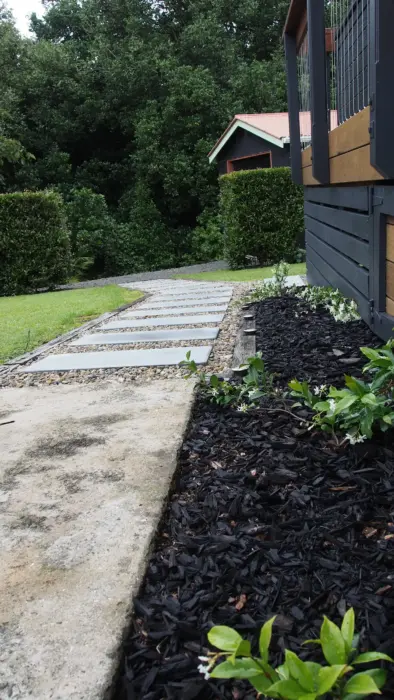
Wood chip is popular and works well here, breaking down slowly and creating good insulation. You can often source this locally from tree contractors at reasonable prices. Bark mulch is similar and comes in regular or black if you want a more refined look. It’s lighter than wood chip so you might need to top it up more often, but it gives gardens that finished, professional appearance.
Post-peelings are brilliant and cost-effective, especially if you’re dealing with slopes or erosion. They clump and web together so they won’t roll down slopes like other mulches might. Really practical for banks or sloped planting areas.
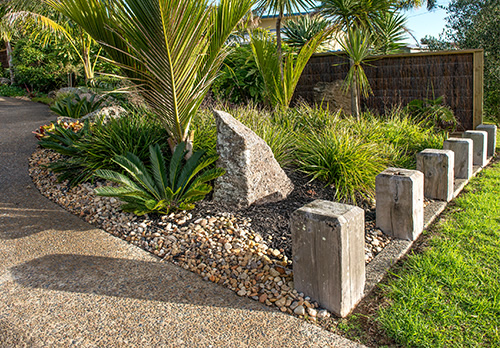
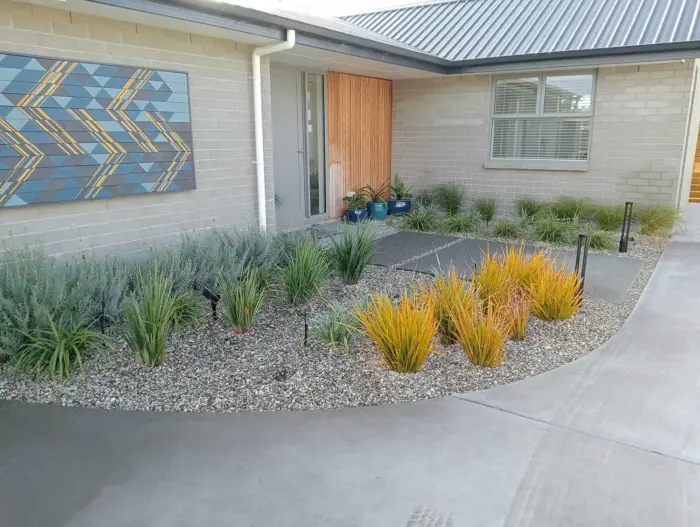
Pebbles or gravel aggregate give you completely different aesthetics. They don’t break down like organic mulches, so they’re more permanent. Great for modern gardens or areas where you want a clean, low-maintenance look. Still provide all the mulching benefits – keeping soil cool, reducing evaporation, suppressing weeds.
Wool-based mulch comes in rolls and is another option worth considering. It’s biodegradable and provides good weed suppression while breaking down to feed the soil.
Aim for about 5 to 10 centimetres depth with organic mulches – enough to do the job without creating problems. Too much can trap moisture against soil in Northland’s humid summers, increasing risk of fungal issues and root rot. Leave a gap of about 5 to 10 centimetres around plant stems and tree trunks so air can circulate. This matters particularly where moisture and humidity encourage fungal diseases like root collar rot.
During hot summers, good mulch acts like a blanket, keeping soil temperature down and significantly reducing moisture evaporation from the surface. Plants stay cooler and less stressed, you water less frequently. Makes a real difference during peak summer heat.
Using Irrigation Systems That Minimise Water Waste
Ditch the sprinkler if you’re serious about water efficiency. Sprinklers spray water everywhere and a lot evaporates before it even reaches soil, especially in Northland’s hot summers. Drip irrigation and soaker hoses are way more efficient – water goes directly where it’s needed, at the base of plants.
Soaker hoses are straightforward to set up: lay them along garden beds, connect to your tap, turn on. Both drip systems and soaker hoses deliver water slowly, meaning it penetrates deeper into soil rather than running off the surface. This works with different soil types. In sandy soil, slow delivery helps water soak in properly. In clay soil, slow watering prevents runoff and waterlogging. You can set them up to water specific areas so you’re not wasting water on paths or areas that don’t need it.
When you water matters more than most people realize. Morning is ideal – plants have all day to absorb moisture and there’s less evaporation than midday watering. Evening watering when the sun’s lower and less intense works great too. What you want to avoid is watering middle of the day when sun’s at full strength. Water droplets on leaves act like tiny mirrors, intensifying the sun’s rays and actually burning your plants. Morning or evening, pick whichever fits your routine.
During peak dry months like January and February, you might need to water every few days or even daily depending on rainfall and how established plants are. Water deeply rather than frequently. A good soak that gets water down 15 to 20 centimetres encourages roots to grow deeper, making plants more drought-tolerant. Shallow, frequent watering keeps roots near the surface and actually increases water needs. In winter and spring when rainfall’s more reliable, most established plants cope without supplementary watering.
Rain sensors prevent irrigation systems from running when it’s just rained. Given Northland’s variable rainfall, this saves surprising amounts of water over a season. Timers let you set watering to run at optimal times without remembering to turn things on and off manually. Many modern timers are battery-operated and relatively affordable.
Choosing and Grouping Plants for Water Efficiency in Northland
Plant species naturally adapted to Northland conditions change everything. Native plants like pohutukawa, kowhai, and native flax evolved for our climate and require far less water once established compared to plants from other regions.
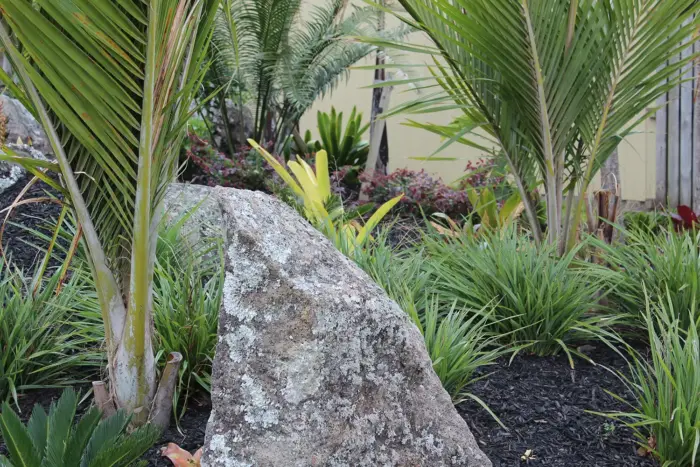
Pohutukawa, with its stunning red flowers, is incredibly tough and actually prefers drier conditions once it’s got established roots. Kowhai handles heat and occasional drought well. Native grasses and sedges are brilliant for ground cover and borders, requiring minimal watering once established. They might be slower to establish than some ornamentals, but once settled in, they’re far more resilient. You don’t need an all-native garden. The point is recognizing which natives work in your space and incorporating them alongside other plants you love.
Beyond natives, think about plants that naturally suit heat and humidity. Mediterranean plants like lavender, rosemary, and other herbs handle heat brilliantly. Succulents are obvious water-savers. Silver-leafed plants often have adaptations helping them handle dry conditions. Look for plants resilient across the whole year, handling both Northland’s wet winters and hot, dry summers.
Hydrozoning means grouping plants with similar water needs in the same area. You’re not watering drought-tolerant natives the same way you water thirsty vegetables. You might have a bed with Mediterranean herbs and succulents that rarely need watering once established. Nearby, a vegetable patch gets regular water. Native shrubs in another spot need moderate summer watering but cope fine in winter. By grouping logically, you can tailor watering strategy to each zone rather than treating the whole garden the same.
Root depth matters more than people realize. Plants with deep roots access moisture further down in soil, making them more drought-tolerant. Shallow-rooted plants need more frequent watering but can work fine with mulch and drip systems. In sandy soil that drains fast, deep-rooted plants cope better because they reach moisture deeper down. Shallow-rooted plants in sandy soil need more attention during dry spells. In clay soil, shallow roots sometimes do fine because moisture sits in upper layers longer.
Garden Maintenance Habits That Help Save Water
 Regular pruning isn’t just about aesthetics. It keeps plants healthy and stops them wasting energy on parts that aren’t helping. Overgrown, congested plants are more prone to disease too, particularly in Northland’s humid conditions. Do your major pruning in winter or early spring so plants have time to recover before summer hits.
Weeds are water thieves. They compete hard for moisture, particularly during dry spells. Keep on top of weeds and more water and nutrients reach your actual plants. Northland’s humidity creates conditions where certain fungal diseases thrive. Good air circulation around plants (through pruning and spacing) helps prevent issues. Remove affected foliage promptly to stop problems spreading.
Before reaching for the hose, check if soil actually needs water. Classic test is sticking your finger into soil about 5 centimetres deep. Dry? Water. Moist? Leave it. A soil moisture meter is handy if you want something more precise, particularly for potted plants which dry out faster than garden beds. Over time, you’ll develop an instinct for when plants actually need water.
Protecting Your Garden During Northland Heatwaves
When a real scorcher hits in January or February, temporary shade can be a lifesaver. Shade cloth draped over vulnerable plants reduces direct sun intensity and can bring soil temperature down several degrees. Potted plants are easy to move into shadier spots temporarily. Annual vegetables like lettuce and spinach appreciate some afternoon shade during Northland’s hottest weeks.
Northland’s humidity during hot spells creates issues even when soil moisture is low. Fungal diseases like powdery mildew thrive in warm, humid conditions. Improve air circulation by spacing plants properly and pruning away congested growth. Water at soil level rather than wetting foliage, especially in evening. Remove affected leaves promptly if you notice disease starting.
Plants wilted from heat stress often look dramatic but can bounce back if caught in time. Water deeply and get them into shade if possible. Avoid fertilizing stressed plants as it makes things worse. Some leaf drop or browning at edges is normal heat stress. Once the heatwave passes, most plants recover surprisingly well.
During extreme dry spells, edibles generally come first if you need to prioritize. Young plants and recently planted shrubs also need attention because they haven’t developed deep root systems yet. Established trees and deep-rooted native shrubs are tougher and can usually handle some stress for a few weeks.
Getting Started
Water-wise gardening in Northland isn’t about creating a garden that looks parched or boring. It’s about working smarter with what you’ve got and building resilience so your garden thrives even when conditions get tough. By improving soil, choosing the right plants, using water efficiently, and staying on top of maintenance, you’ll have a garden that handles our hot summers without needing constant attention.
Start with one or two changes. Maybe improve your soil this autumn with compost. Add mulch before summer. Set up a drip system. Plant a native or two. Small changes add up, and before long, you’ll notice your garden’s more resilient, easier to manage, and using far less water.
Need a hand getting started? Our team can help you choose the right plants for your property, improve your soil, or redesign your garden for better water efficiency. Get in touch and we’ll work out what’ll work best for your Northland garden.